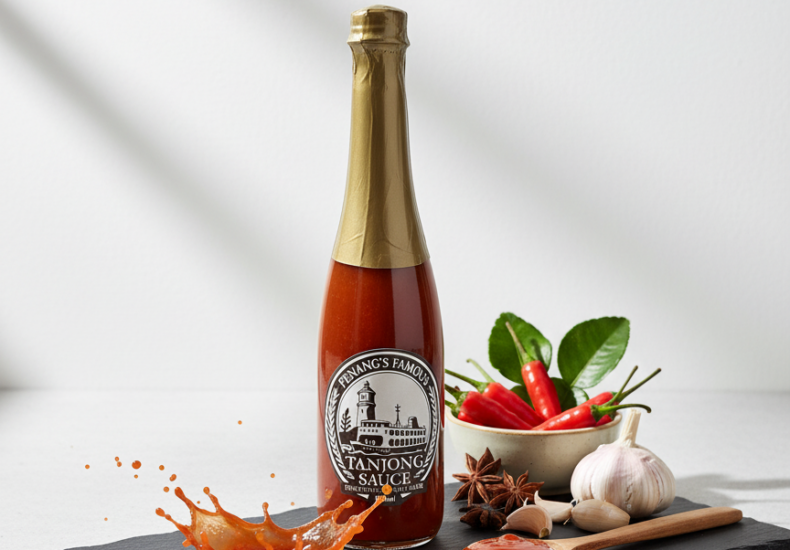
The Expensive Ingredient: Why Real Spices Beat Artificial Flavour
There is a quiet reason most sauces on the shelf taste the way they do, and it is not the recipe. It is the budget. Artificial flavour can mimic a spice profile for a fraction of the cost of the real thing, which is why so many products lean on it – especially in the condiment aisle, where price wars are brutal.
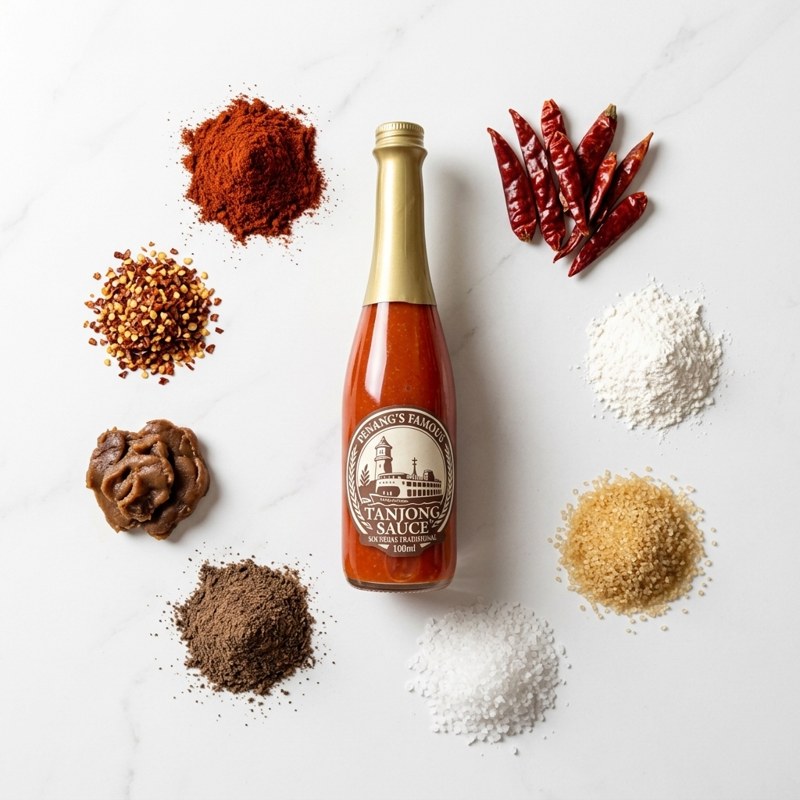
Real spices are the expensive ingredient. Chili powder, garlic powder, onion powder, ginger powder, nutmeg – each one is a raw material that has to be grown, dried, ground, and tested. There is no shortcut that keeps the cost down and the flavour honest. A brand either pays for the spices or pays for the illusion of them.
What Artificial Flavour Actually Is
Artificial flavour is not food pretending to be food. It is chemistry doing an impression of food: molecules engineered to trigger the same taste signals as the real ingredient, minus the ingredient. It is legal, common, and generally safe. It is also the reason a sauce can list “natural and artificial flavours” instead of telling you what is actually in the bottle.
You can spot the difference the same way a cook does. Real spices are not uniform – they have depth, variation, and a finish that lingers differently every time. Artificial flavour is flat and consistent, like a photocopy of a photograph. Both look like the original at a glance. Only one survives a second bite.
Why the Label Matters More Than the Marketing
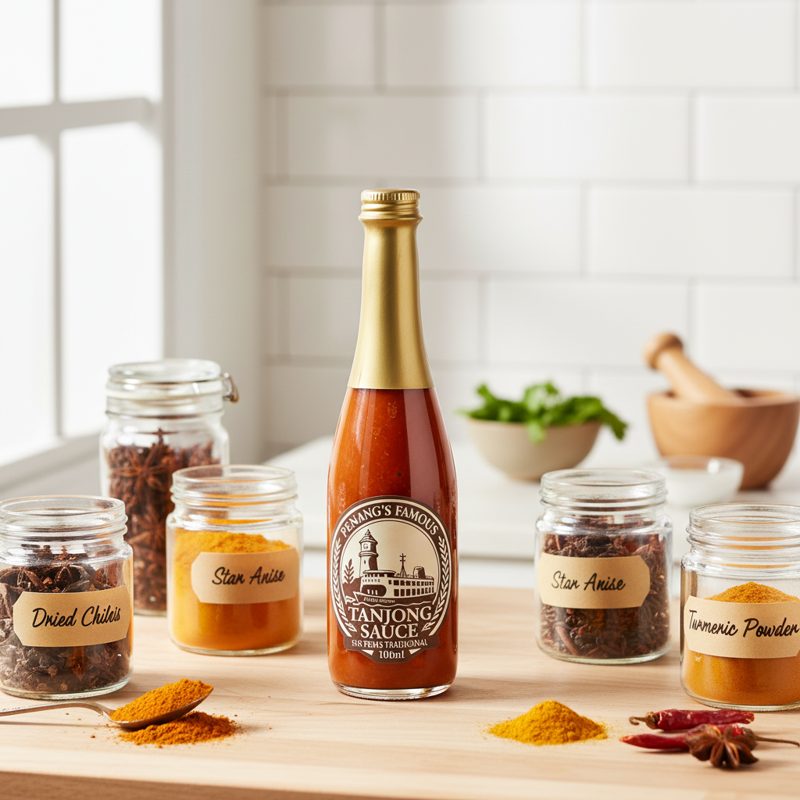
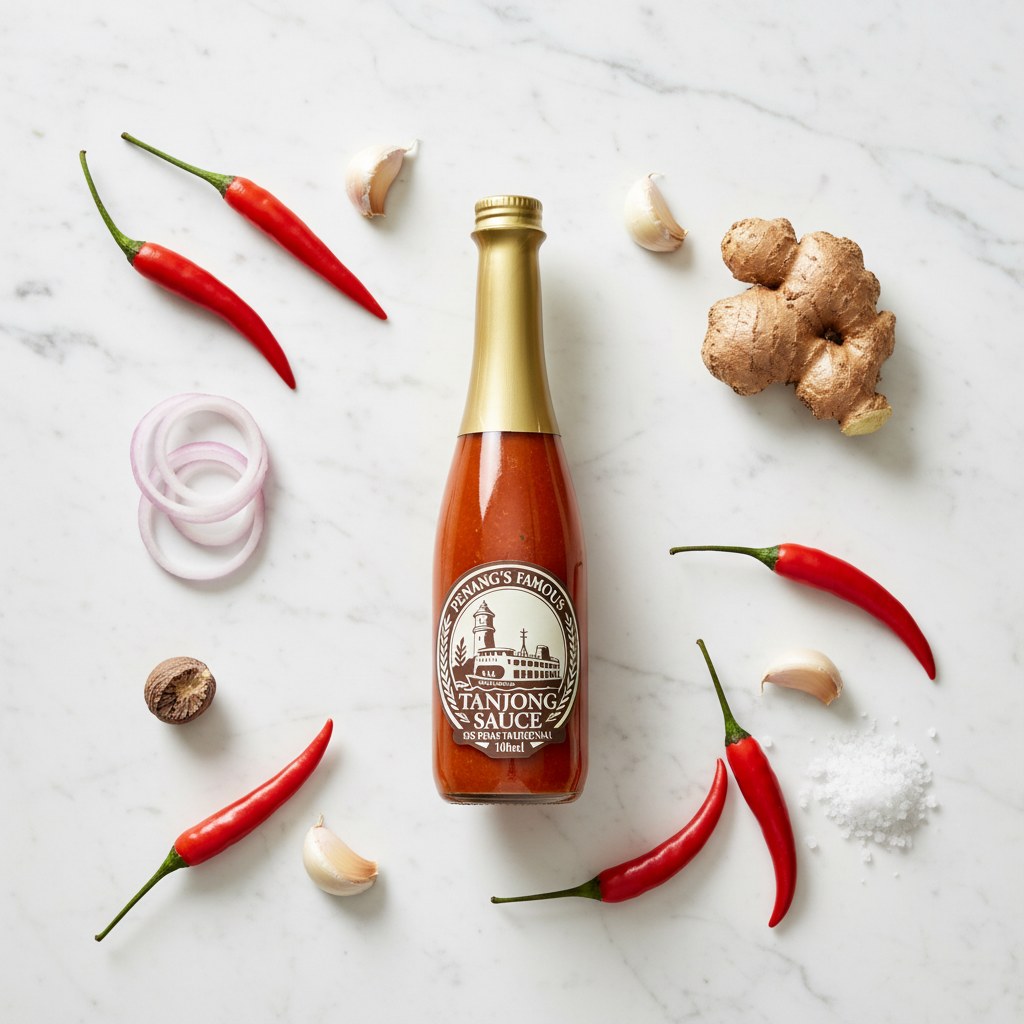
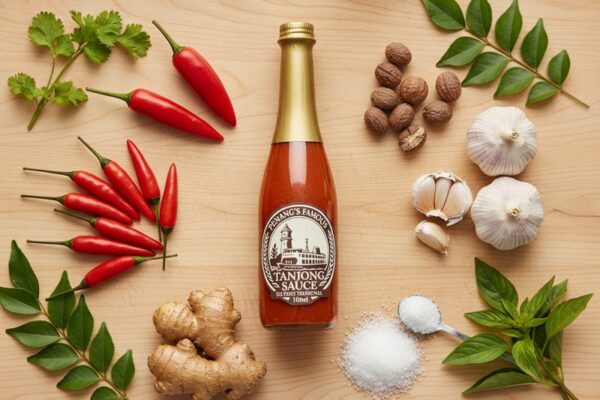
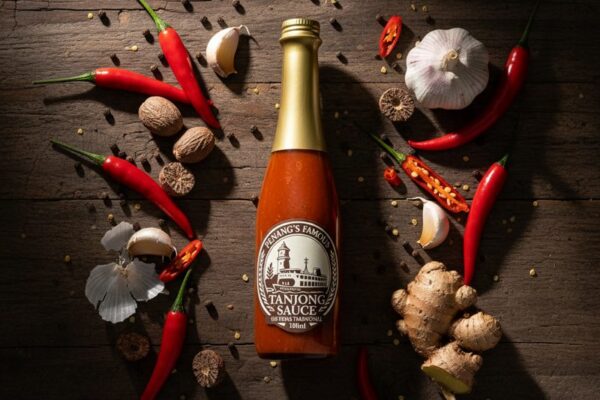
This is why the label on Tanjong Sauce® reads the way it does. It does not say “flavourings”. It names everything: vinegar, chili powder, garlic powder, onion powder, ginger powder, nutmeg powder, sugar, salt. Eight ingredients, and every single one of them is a real, traceable thing. No artificial colours, no artificial preservatives, no artificial flavour – because when the spices are real, none of those are needed.
The vinegar base does the preserving, the spices do the flavouring, and the nutmeg does the part that makes people pause – the warm, sweet-spicy Penang signature that no artificial blend has managed to copy, because nobody knows quite what to imitate. That is the tell. If a flavour can be faked cheaply, it is generic. If it cannot, it is the real thing.
How to Read Any Sauce Label
Count the named ingredients. Every ingredient that is named outright is one the brand is proud of. “Flavourings” is where the story ends.
Check what comes first. Ingredients are listed by weight, so the first item is the base of the sauce. Vinegar first means a vinegar-based sauce – clean, fluid, and naturally shelf-stable. Sugar first means you are buying dessert with a kick.
Look for the certifications. JAKIM halal certification and MeSTI food safety standards are not stickers a brand can buy quickly. They are systems, audited and kept, and they force the label to mean what it says.
None of this is to say a bottle with artificial flavour is evil. It is to say that when a product tells you exactly what is inside and charges a fair price for it, that is not a coincidence. That is a brand that chose the expensive ingredient – and bet that you would notice the difference.
Where to Buy Tanjong Sauce®
Tanjong Sauce® – World’s First Halal Nutmeg Hot Sauce. Thin, vinegar-based, and built to drizzle. 100ml glass bottle. Made in Penang.
You may also like
Leave a Reply