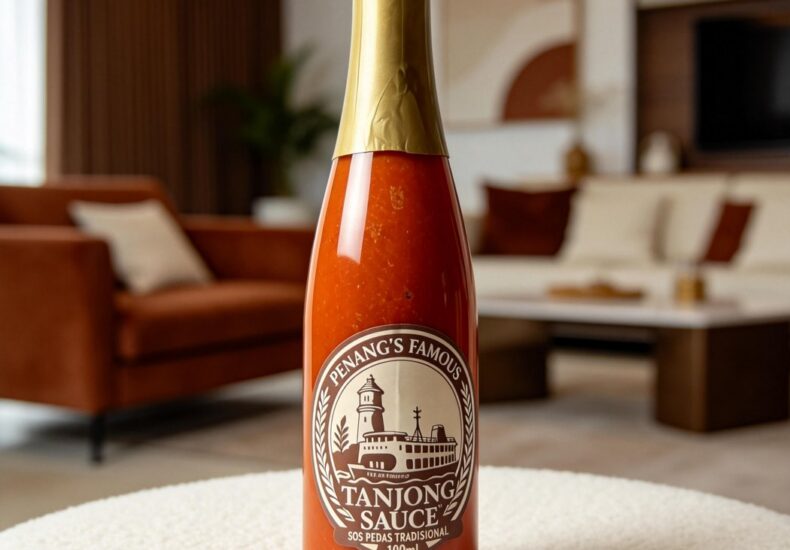
Before a Bottle Exists: How a New Small Batch Actually Starts
On a shelf, a bottle looks like a finished thing. Inside a small producer, it is the last step of a process that starts weeks earlier and involves far more decisions than machinery. Nothing arrives at a bottling run by accident, and most of what determines how the sauce tastes was settled long before the first bottle was filled.
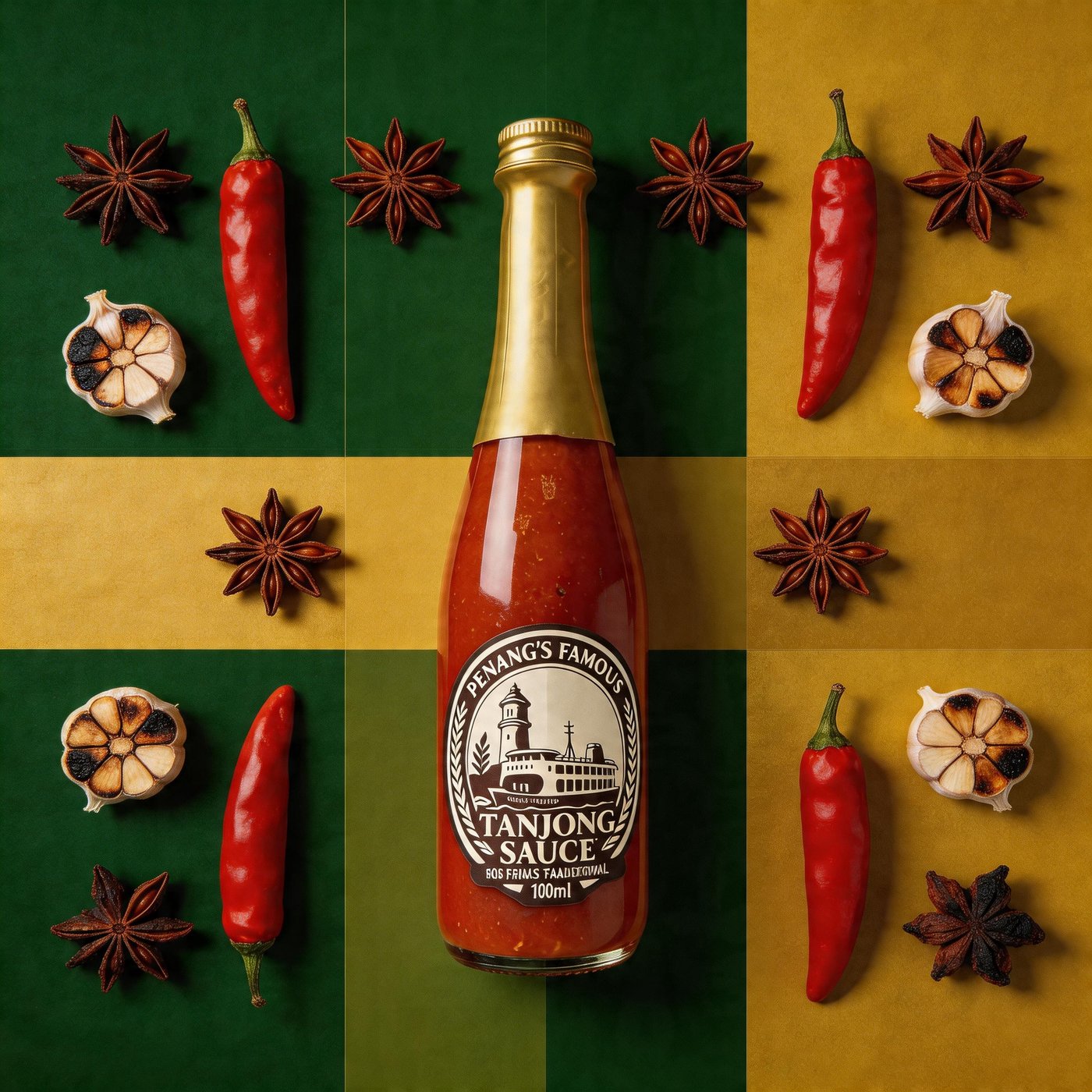
Step One: Deciding How Much to Make
Batch size is the first real decision, and it is not really about ambition. Make too little and the cost per bottle climbs, because the fixed work of sourcing, blending, and packing is spread across fewer units. Make too much and you are storing sauce rather than selling it, and a generous shelf life turns into a warehousing problem.
Small batches exist for a practical reason as much as a philosophical one: the smaller the run, the faster it moves, and the less chance of a batch sitting in storage for a year before it reaches a kitchen.
Step Two: Sourcing, Carefully and Repeatedly
Ingredients arrive as consistently milled spices: vinegar, chili, garlic, onion, ginger, nutmeg, sugar, and salt. Buying them this way rather than grinding fresh in-house is a deliberate trade. It gives up a little of the handmade story and gains something more valuable, which is that a bottle made this month tastes like a bottle made six months ago.
For a sauce whose entire identity is one specific flavour, consistency is the product.
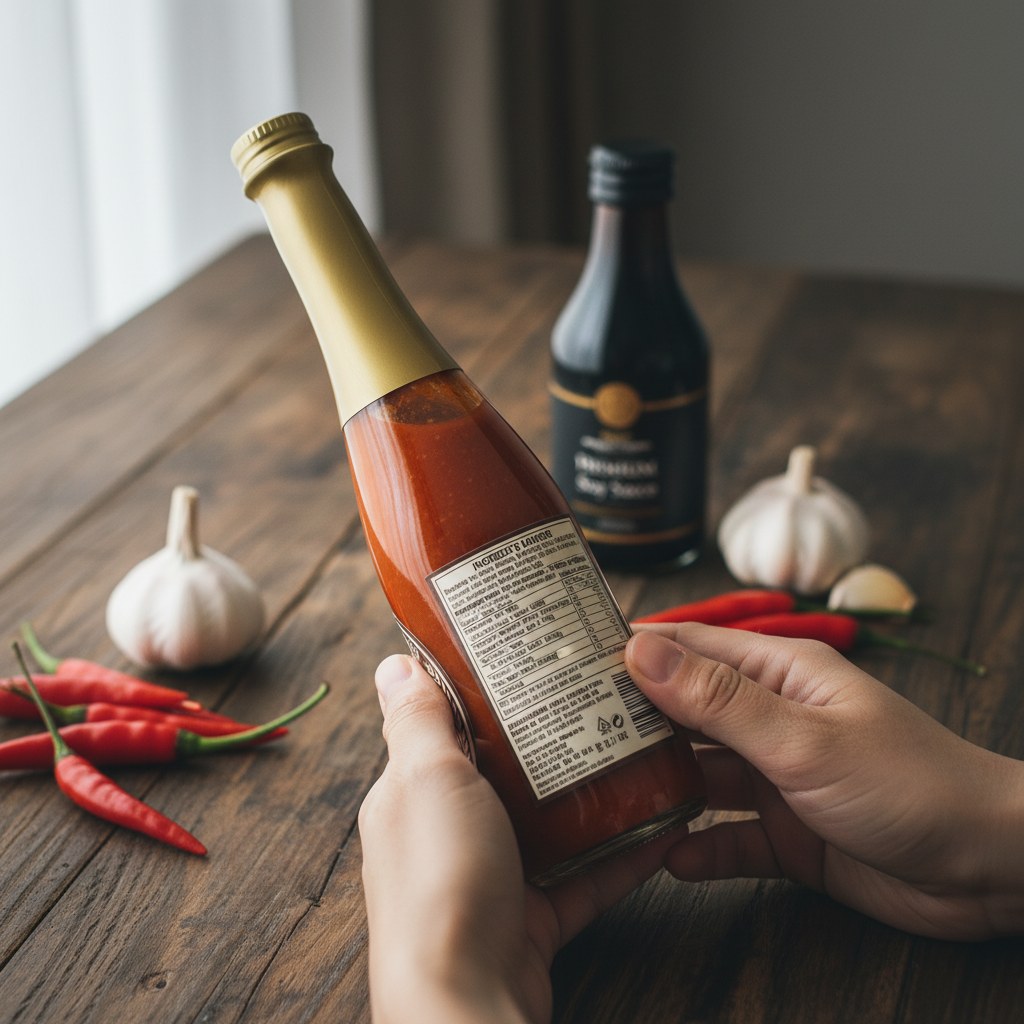
Step Three: Mix and Bottle the Same Day
There is no ageing, no fermentation, and no resting period. The sauce is blended and bottled in a single run, on the same day, then sealed. This is worth stating plainly, because the condiment world is full of romantic claims about time in barrels that most products do not actually have.
What the sauce does have is acidity: a vinegar base that preserves it naturally, without added preservatives, for up to 24 months in an unopened bottle.
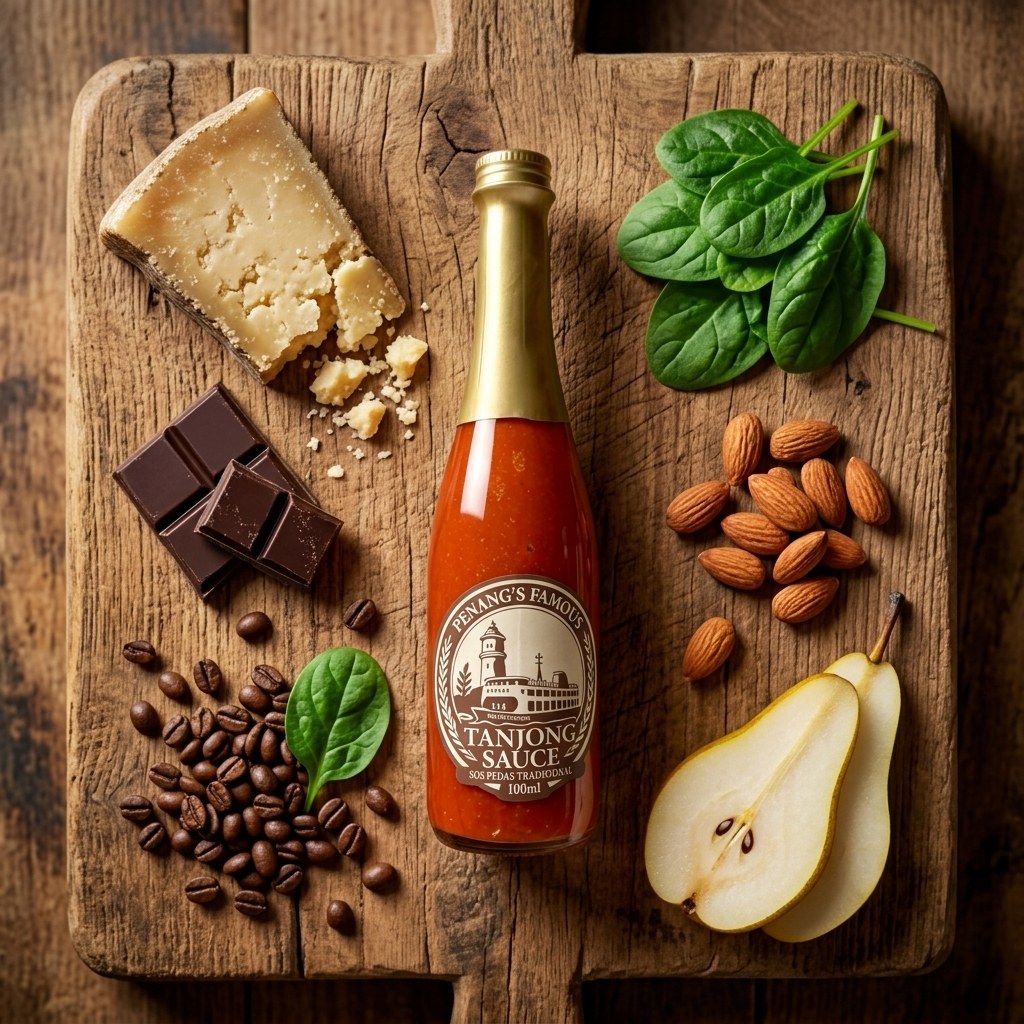
Step Four: Seals, Labels, and Certification
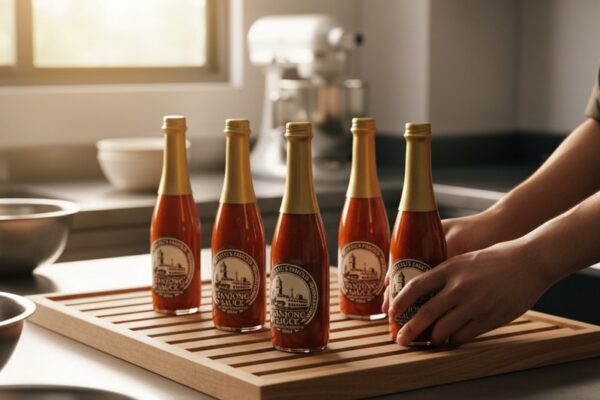
Bottling is followed by labelling, sealing, and the paperwork that lets a food product travel. Halal certification is not a sticker added at the end. It is a constraint on the whole process, from sourcing through storage, audited and renewed, and it is what makes the bottle welcome in kitchens that would otherwise not consider it.
Why Small Batches Cost More and Taste Better
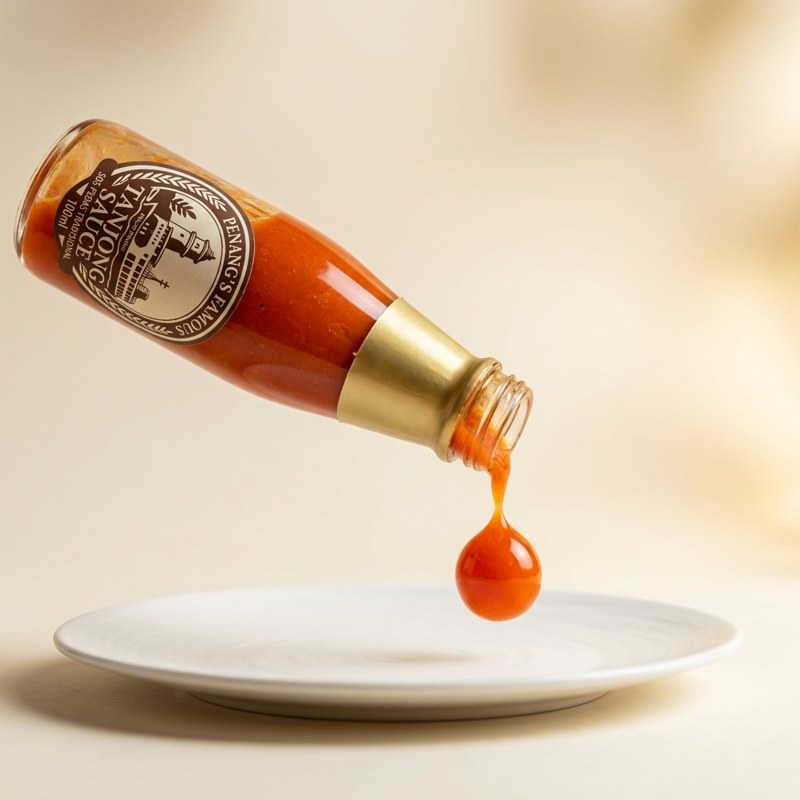
Small batch production is less efficient by every measure a factory would use. More sourcing cycles, more runs, more handling per bottle. What it buys is control: the ability to notice a batch that has drifted, and the freedom to make less rather than compromise.
That is the honest answer to why the bottle costs what it does. Nothing here is scaled for volume. It is scaled for the taste staying right, one batch at a time.
Where to Buy Tanjong Sauce®
Ready to bring the authentic Penang taste to your kitchen? Order Tanjong Sauce® now:
- Shopee – Fast delivery across Malaysia
- Lazada – Available with free shipping options
- TikTok Shop – Order directly in-app
- tanjongsauce.com – Order direct from our website
100ml travel friendly bottle. Halal certified. Small batch. Malaysian made. Taste the difference today.
You may also like
Leave a Reply